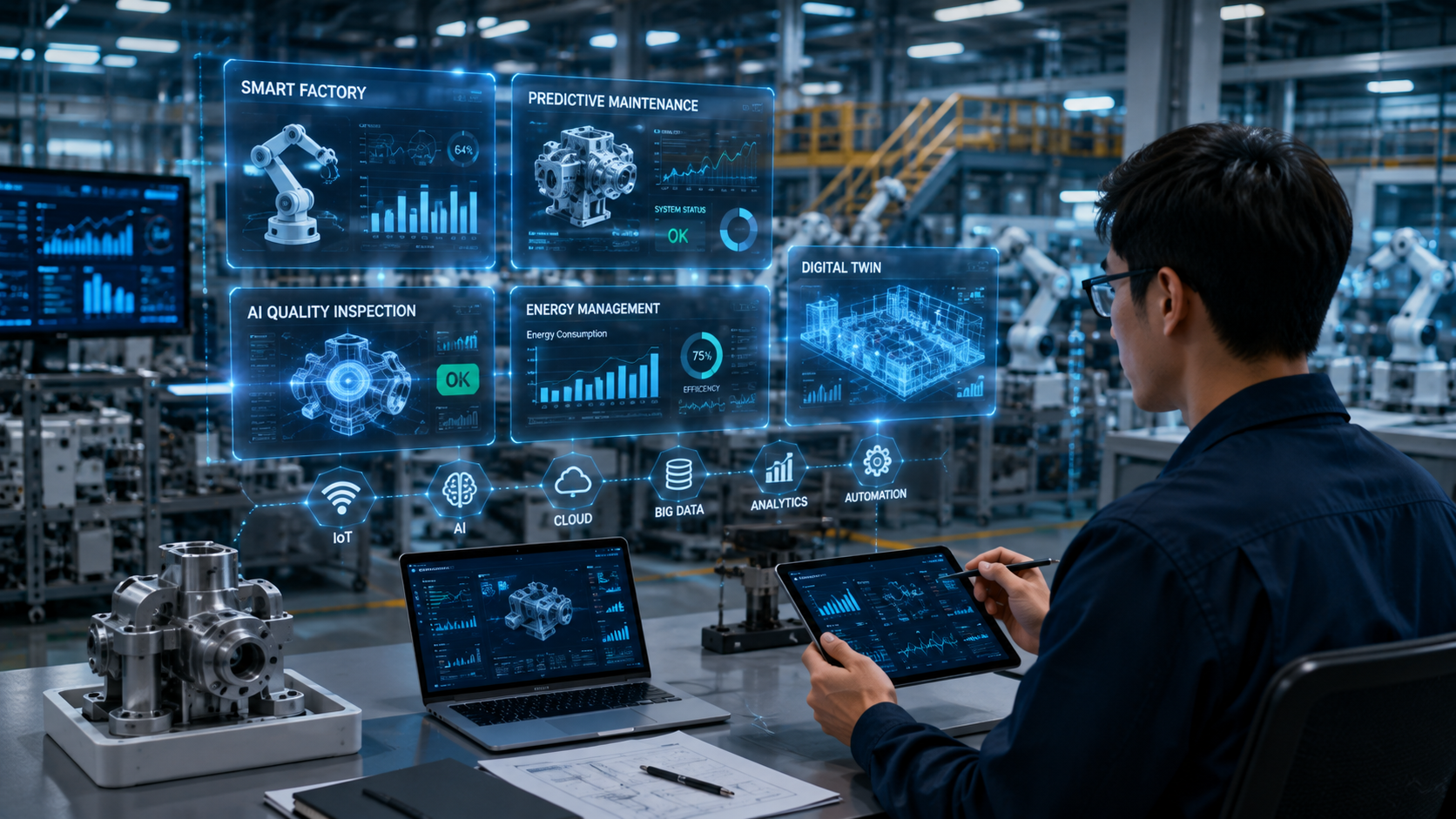

NovaTier AI infrastructure is targeting one of the biggest challenges created by the global GPU boom: how to keep expensive computing resources efficiently utilized after they are installed.
South Korean AI and HPC specialist Clunix showcased NovaTier at AI Summit Seoul & Expo 2026 in Seoul, demonstrating a hybrid orchestration platform that integrates Slurm, Kubernetes and Docker. The system is designed to manage workflows from large-scale AI model training to inference and deployment while automatically reclaiming and reallocating idle GPU resources.
Why It Matters
AI infrastructure competition is increasingly moving beyond GPU acquisition. Organizations also need scheduling, workload isolation, monitoring and resource allocation capable of keeping costly accelerators productive.
NovaTier attempts to bridge HPC-oriented Slurm workloads with Kubernetes-based AI services instead of requiring separate management environments. Clunix says this can improve utilization and reduce operational complexity; however, no independently audited utilization improvement was disclosed with the announcement.
Korean Market Context
The timing is significant for Korea as the country expands sovereign AI computing capacity. Clunix says its technology is operating on a B200-based national AI cluster used by 159 industry, academic and research projects as of late May.
One important part of that claim can be independently checked: the official TOP500 June 2026 ranking lists NIPA(NHN Cloud)-CL-1 at No. 20 globally, using NVIDIA B200 GPUs and delivering 137.40 petaflops of measured Rmax performance.
Market and Competitive Context
GPU orchestration is already a competitive field involving established HPC schedulers, Kubernetes ecosystems and commercial AI infrastructure platforms. NovaTier’s differentiation is its attempt to combine these environments under one operational layer.
Clunix says it brings 26 years of HPC experience, more than 350 customers and over 1,500 projects to this market. Those figures originate from the company and should be treated as company-reported metrics.
Company Claims vs. Verified Facts
Clunix says NovaTier can automatically recover idle GPUs and improve resource utilization. That functionality is documented by the company, but the announcement does not provide independent benchmark data quantifying the improvement.
Separately, the No. 20 TOP500 ranking is independently verifiable through TOP500’s official database. The ranking identifies the Korean system as an HPE ProLiant Compute XD685 cluster using AMD EPYC processors, NVIDIA B200 GPUs and NDR400 InfiniBand.
What to Watch Next
The next test for NovaTier AI infrastructure will be measurable operational performance. GPU utilization, job wait times, inference deployment speed, reliability and total infrastructure cost will matter more to enterprise customers than raw cluster size alone.
If Korea continues expanding national and enterprise AI computing capacity, orchestration software could become an increasingly valuable layer of the domestic AI stack. The hardware provides computing power; platforms such as NovaTier are competing to determine how efficiently that power is actually used.